
Gilsonite in chemical applications works as an effective binder for steel desulfurization because it has stable volatile parts that help mix other chemicals like magnesium. These volatile parts turn into gas when heated, which helps the other chemicals move through the liquid steel to remove unwanted sulfur.
Besides making steel, the special features of Gilsonite in industry make it an important material for many factories.
Gilsonite in Chemical: Specifications and Properties
In this section, you will explore the essential technical specifications, physical characteristics, and chemical properties of Gilsonite in Chemical applications.
If you are looking to buy Gilsonite and high-grade natural bitumen for your industrial needs, discover how partnering with the right supplier ensures consistent quality for your formulation.
Chemical History and Discovery of Natural Bitumen
A prospector named Samuel H. Gilson discovered Gilsonite in Utah in 1867 while he was searching for coal.
A man found this special rock over 150 years ago and at first he thought it was just regular coal.
Early chemical manufacturers used Gilsonite to create better paints and printing inks because it helped colors stick to surfaces.
This material was useful right away because it acted like a glue that helped ink stay on paper without smearing.
Molecular Makeup: Asphaltene and Nitrogen Content in Chemical Formulations
The chemical makeup of Gilsonite is unique because it contains up to 85% asphaltenes. Asphaltenes are the specific parts of the rock that make it great at sticking to things and keeping water out.
Unlike many other hydrocarbons, Gilsonite has a high nitrogen content that makes its bonding properties much stronger.
Nitrogen is a chemical element inside the rock that helps it grab onto other materials very tightly.
Physical and Electrical Characteristics in Chemical Processing
Gilsonite acts as a natural insulator because it does not conduct electricity. Electricity cannot move through this rock, so it is safe to use in products that go near power lines or wires.
This natural substance remains a solid until it reaches temperatures between 160 and 220°C. You have to make the rock very hot before it turns into a thick liquid that you can mix into other chemicals.
Because Gilsonite is not magnetic, it does not interfere with the metal machines used in large factories. Magnets do not pull on this material, which means it will not get stuck inside industrial equipment.
Available Chemical Grades: Powder, Lump, and Liquid Forms
Factories can buy Gilsonite in three different forms: powder, lumps, or liquid. Having different forms means a company can pick the one that is easiest to pour or mix into their specific recipe.
As a premier supplier of Gilsonite and bitumen, royalbitumen. grinds the material into a fine powder to make sure it spreads evenly through dry chemical mixtures.
The powder is like very small dust, so it mixes perfectly and does not leave any big chunks behind. Gilsonite lumps are a good choice when a factory needs to melt the material into large batches of hot bitumen. Big chunks are easy to ship and store until you are ready to turn them into a liquid with high heat.
Chemical Safety Data, Toxicity Profile, and Environmental Footprint
Gilsonite is a non-toxic substance that is safer for industrial workers than man-made chemicals like coal tar pitch.
Since it comes from the ground and is natural, it does not cause the same health problems as some factory-made oils.
The material is naturally low in sulfur, which makes it a cleaner choice for the environment than many fossil fuels.
When you use this rock, it does not release as much smelly or harmful sulfur gas into the air. Workers should still use fans and masks to stay safe from the dust when they are crushing Gilsonite.
Even though the rock is not toxic, breathing in any kind of fine dust for a long time can be bad for your lungs.
Gilsonite In Chemical Applications
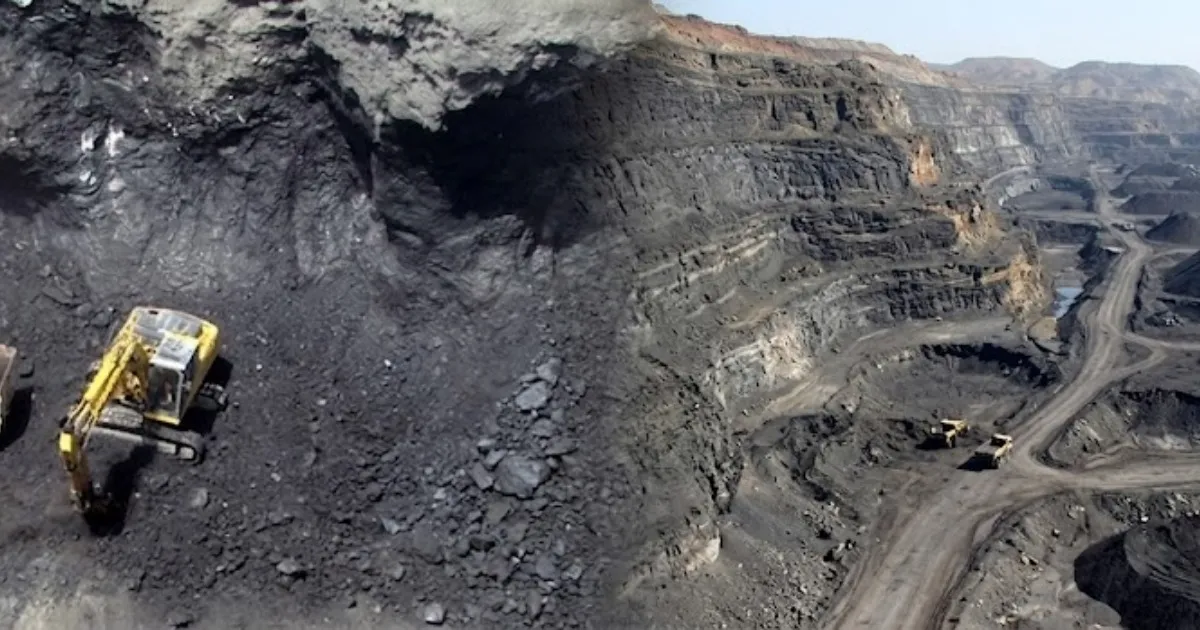
Carbon Content and Metal Recarburization Gilsonite contains a high level of carbon, often between 77% and 99% depending on the grade, which adds carbon back into metal alloys during melting. This extra carbon helps the foundry reach the exact chemical balance needed to make the metal strong enough for its intended use.
1.Water-Resistant Adhesives and Sealants
Chemical companies mix Gilsonite into adhesives and sealants to help them bond more strongly to surfaces and resist water damage. Since it is rich in asphaltenes, it creates a waterproof layer that stops the glue from failing even in very wet conditions.
2.Health and Safety Advantages Over Coal Tar Pitch
Gilsonite is a non-toxic and non-carcinogenic material, which makes it a safer choice than coal tar pitch for industrial workers. Choosing this natural substance reduces long-term health risks for the people who handle these materials in the foundry or chemical factory.
3. Solubility and Protective Coating Production
This natural material dissolves easily in organic solvents, allowing chemical makers to turn the solid rock into a liquid coating. This liquid form is easy to spray or paint onto pipes and wood to protect them from rust and rotting.
4.Thermal Stability and High Melting Point
The material has a high melting point, usually between 160 and 220°C, which helps it stay stable during intense chemical processes. Because it does not melt too quickly, it can survive the high temperatures found in most industrial manufacturing environments.