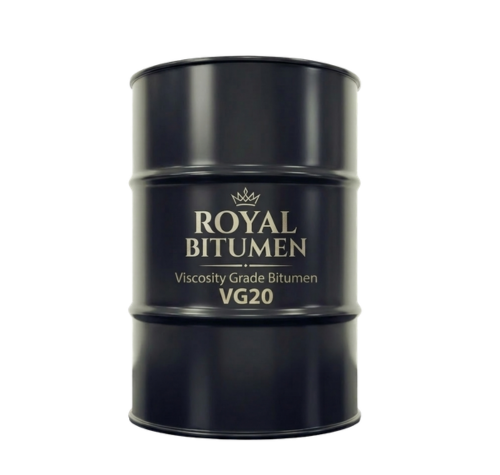
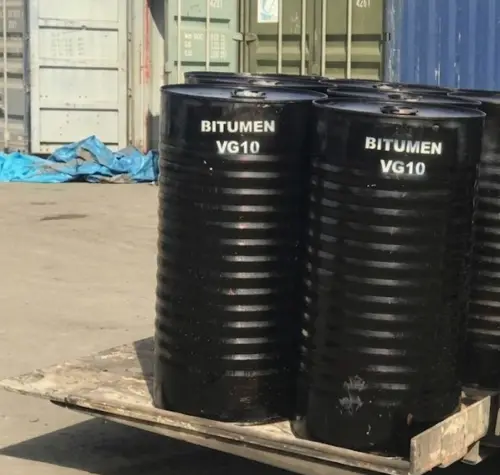
Bitumen is a black and sticky material. We get it from crude oil, and it is necessary for building modern cities. A major kind of bitumen is called VG (Viscosity Grade) bitumen.
This viscosity graded bitumen is made to meet exact needs for different tasks. It has many uses.
Builders choose VG bitumen because it is great for road construction, roofing, and industrial work.manufacturing.
Viscosity Grade (VG) Of Bitumen: Specifications and Grades
At Royal Bitumen, we provide the most popular bitumen types in : VG10, VG20, VG30, and VG40. According to the IS:73 standard, these viscosity grades have now replaced traditional penetration bitumen.
This modern bitumen is safer and more reliable for road construction. Read on to learn about the features of each grade and find the perfect match for your needs.
Penetration Grade vs. Viscosity Grade: What is the difference?
Penetration grade is tested only at 25°C. But the VG system checks the bitumen at two different temperatures: 60°C and 135°C. Because VG bitumen works well in both hot and cold weather, you can easily know how it will behave in any climate.
The History of Viscosity Grade Bitumen
In the early 1960s, experts made a better way to test asphalt. They started using a scientific viscosity test.
This new test replaced the old penetration test to understand bitumen better.
For more than twenty years, the viscosity system worked great in the US. At Royal Bitumen, we know that viscosity is more logical than penetration.
Viscosity means how much the liquid resists flowing.It shows how thick or thin the bitumen is.
our experts believe we should test bitumen by its viscosity, not by penetration. This scientific grading is done at 60°C, which is like the hottest summer weather for roads.
Royal Bitumen uses special equipment to test this viscosity at both 60°C and 135°C.